Time to chat about the Tarot Deck! So, it’s got 78 cards in total, split into two main parts: the Major Arcana and the Minor Arcana. The Major Arcana is made up of 22 cards that are packed with lots of metaphysical and esoteric symbolism and cover big life themes and lessons, while the Minor Arcana has 56 cards divided into four suits: Cups, Pentacles, Swords, and Wands.
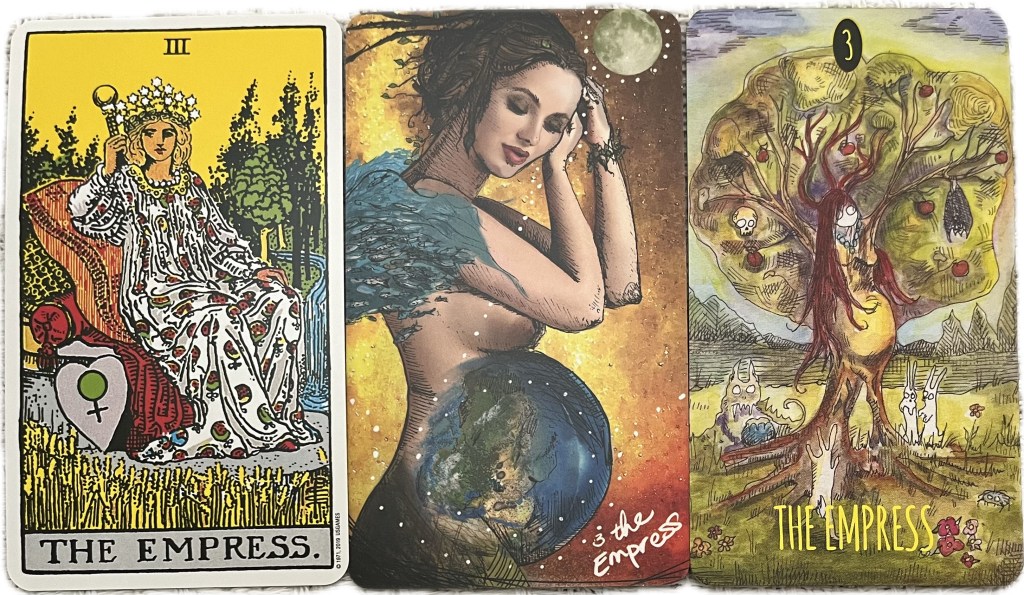
The artwork on the cards changes things up from deck to deck, showcasing all kinds of cultural flavors and creative styles, so every deck ends up being a unique gem for both the creator and the reader. A lot of decks draw inspiration from The Rider-Waite-Smith Tarot published in the early 1900s, which is based on hundreds of years of card reading traditions. Below is an example using The Empress card, and as you can see, all very different but sharing the common thread.
Every card has its own energy, helping you connect with your intuition and understand your past, present, and future. When you shuffle and deal the cards, their energies align with your thoughts and feelings, guiding you through life’s changes.
The symbols and pictures on each card not only reflect where you’re at right now but also offer insights into what you’ve learned and the chances waiting for you. By checking out how the cards connect, you can get a better grasp on your life story and grab the wisdom the universe is sharing through this age-old practice.
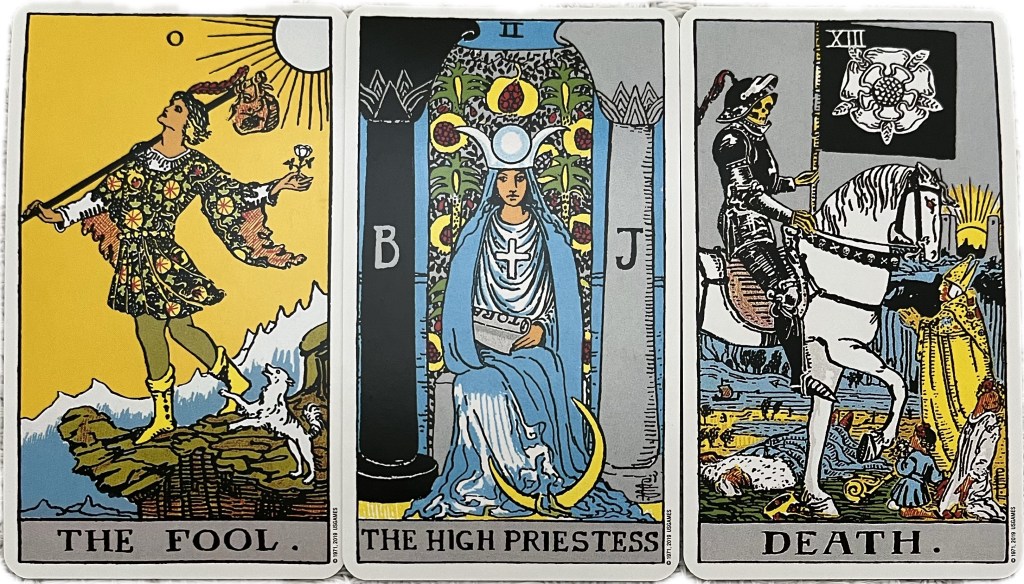
For example, the Fool is all about fresh starts and adventure, while the High Priestess is about trusting your gut and diving into mystery—perfect for getting to know yourself better, right? And let’s not forget the Death card, which is about change and wrapping up one chapter to open up to new possibilities. All these symbols come together to not only help us make sense of the cards but also connect us with the insights they bring. With tarot, we get the chance to explore our inner selves and find hidden truths.
Once you figure out how the cards connect with one another and where they sit in different spreads, it can really clear things up and add more depth to what you’re interpreting. Plus, getting to know the history and different ideas around tarot can raise your appreciation for its complexities, showing you all the ways it can be used in everyday life, whether it’s for self-discovery or helping others navigate their paths.
The structure and symbols on tarot cards are totally up for interpretation, since each card comes with its own layers of meaning that can shift a lot from one reader to the next. The designs, colours, and images are made to really get you thinking and reflecting, so you can pull out your own personal insights from the readings.
Each symbol can stand for different things in life, feelings, or situations, making tarot a pretty flexible tool for guidance. Plus, the way the cards are drawn and the specific questions you ask can really change how you interpret them, highlighting that tarot isn’t just a fixed set of meanings—it’s more like a lively chat between the reader, the cards, and whoever’s seeking answers.
Like anything else in life, having solid foundations helps you see things in a new light, and tarot is totally a part of that. This ancient practice is packed with symbols and a rich history, and it encourages people to tune into their gut feelings and dig deep into their subconscious.
When you get the hang of the basic rules and archetypes in the tarot deck, you unlock some eye-opening insights that can really light up your personal journey, helping you navigate through life’s ups and downs. Each card acts like a mirror, reflecting what’s happening inside you, and in the end, it creates a stronger connection to yourself and the bigger universe out there.
Tarot is all about endless possibilities and loads of wisdom to help us figure out life, but don’t forget about upright and reversed cards! Those reversed cards can seriously shake things up, so it’s super important to check out both the good and the not-so-good they bring. To handle all this, we really need to get to know each card inside and out. That way, we can make smarter choices, jump on opportunities, and steer clear of any bumps in the road.
Next episode, let’s discuss and decide our stance! Should we interpret all the cards as upright or not?
 The Tarot Desk
Leave a comment