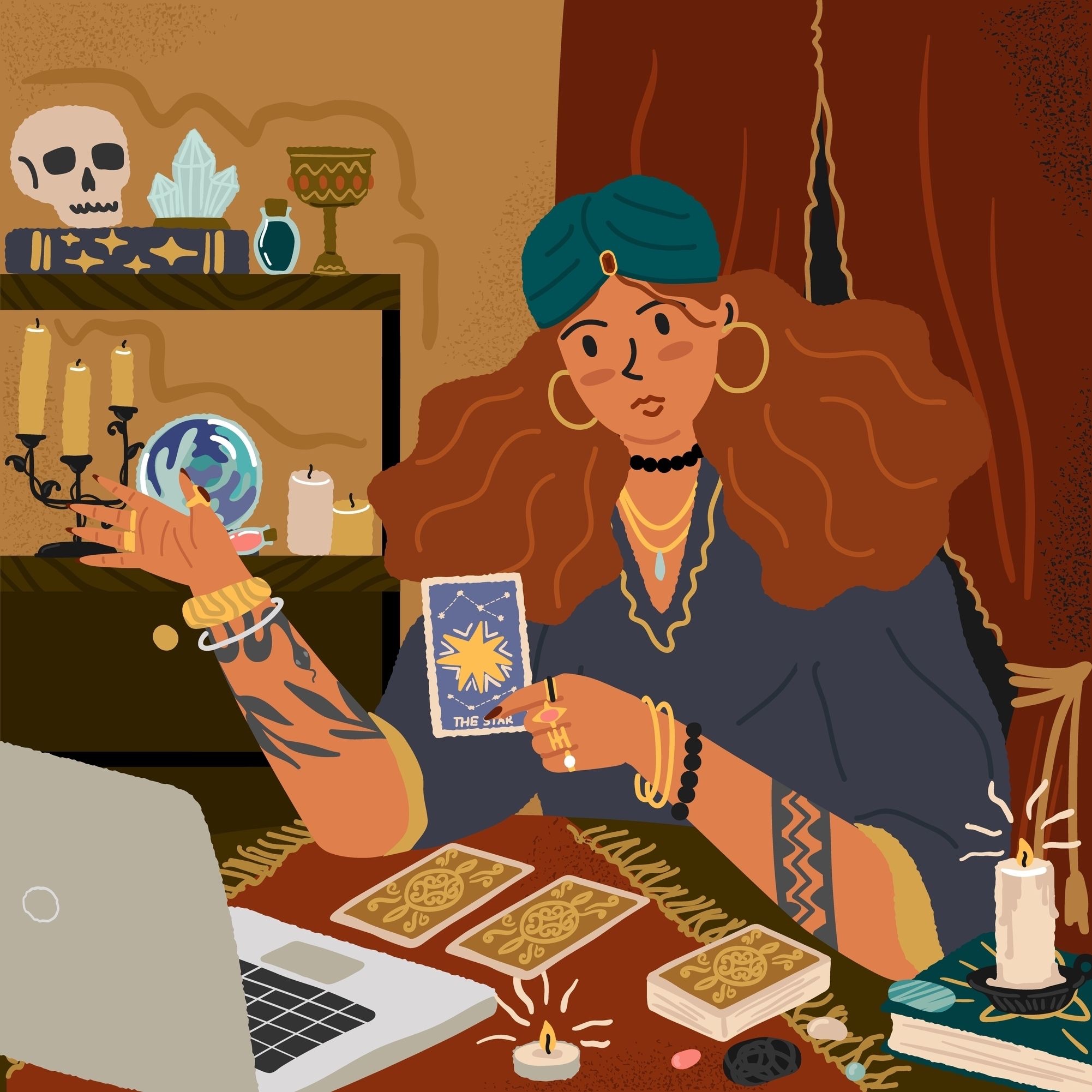
Using tarot cards as a self-counselling tool is a great way to sort out all those jumbled thoughts that buzz around your head, keeping you up at night for no good reason. Kinda like journaling, it’s a way to let it all out and bring some order back to your day. It’s like hitting the reset button, you know?
Tarot is all about emotions and situations. The cards can stir up all sorts of feelings, like hope or fear, which totally change how you see things. If you keep tossing questions into the mix hoping for different answers, you’ll probably start to see a pattern emerge—a backstory that holds your answer. This pattern can bring out themes and emotions that are shaping your life, helping you dig deeper into what’s really going on.
To understand what’s present in a reading, stay aware of these emotions and the symbols in the cards. This will help you reveal the story the universe is telling you, offering a clearer view of your path ahead. I think it’s helpful to look inward first. How are you feeling today? Your moods can influence the cards and their meanings.
It’s interesting too how the cards often reveal something that hits home, creating that “aha” moment. This connection can be transformative. It might feel confronting, so you may choose to ignore these reflections, but if you want to change your life’s story, you know what you gotta do: acknowledge that moment and the emotions it brings up.
This is why it’s important to ask yourself—Is it you or your situation that needs attention? Embracing this question can provide deeper insights and encourage growth, helping you understand your thoughts and experiences more clearly.
Now we have that sorted, let’s do a reading to demonstrate a self-counselling session. Question: Why do I go on the defensive when someone disagrees with me?
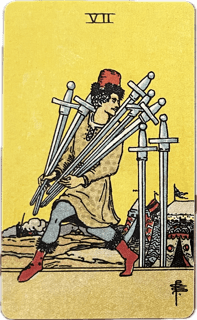
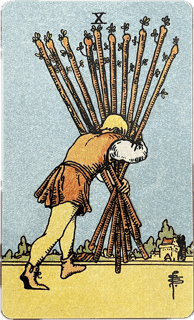
Let’s look at three cards selected below and the energies at play. I have chosen the three-card spread, where the first card shows past influences, the second represents present circumstances, and the third suggests potential future outcomes.
General Card Meaning:
The Seven of Swords tarot card in the past position indicates that deceit or betrayal may have been significant in your history. It represents stealth, suggesting someone acted dishonestly or took what wasn’t theirs. This card reflects a time of keeping secrets to protect yourself from negative influences, helping you understand trust and integrity in relationships and reconsidering the impact of honesty on your interactions.
The Ten of Wands card in the present position suggests you feel overwhelmed by responsibilities and burdens, causing stress and exhaustion. It encourages you to reassess what is necessary for you to handle and find ways to reduce your load, such as sharing tasks or reevaluating commitments. Recognising these pressures is vital for maintaining balance and ensuring your well-being while managing your duties.
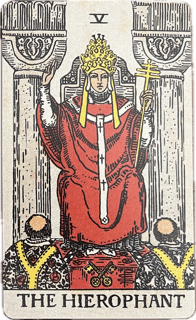
The Hierophant card in the future position indicates a time when traditional values will be essential for your growth. It suggests seeking wisdom from established institutions or mentors. As you face challenges, learn from the past and value spiritual growth and community ties. The Hierophant encourages open-mindedness while respecting time-tested practices for a strong foundation in your journey ahead.
Personal Insights:
- The cards suggest that you felt you needed to protect yourself from a dominant authority, perhaps stemming from past experiences where your voice went unheard or your boundaries were disregarded, or were possibly accused of something.
- This feeling of vulnerability is overwhelming and may have led you to construct emotional barrier, a defence, shielding yourself from the influence of those who seemed to wield power over your life.
- In moments of reflection, you might recall instances where standing up for yourself was met with resistance, reinforcing your desire to maintain control over your surroundings.
- Consequently, these protective instincts have shaped your interactions, making you wary of any figure who exudes dominance, prompting a deeper exploration of your own resilience and the intricate layers of your personal narrative.
- But the cards also provide helpful advice not to feel threatened; instead, they encourage you to be open-minded and accept others’ views. This means being more relaxed and allowing space for constructive conversation.
- Recognising that everyone has unique experiences can enhance our understanding and create opportunities for growth. By adopting this mindset, you invite new possibilities and build relationships based on respect and understanding, leading to more harmonious interactions.
Were the cards helpful for self-counselling purposes?
I have to say, the reading was a little tough, but it was insightful. I’m always surprised by what the cards reveal. It provided the backstory, the underlying belief pattern, which triggered the defensive response when someone disagrees with your viewpoint. I think knowing this may bring about a different response in the future, if the advice given is accepted as well. This is the aha moment I referred to earlier.
To change the backstory of your life, you need to recognise your key moments and the emotions they trigger. It’s important to ask yourself—Is it me or my situation that needs attention? This question can lead to deeper understanding and personal growth, helping you better handle your thoughts and experiences.
Well, that’s enough unravelling for today, but you can see how the cards can aid your thinking and open up new ideas. By using the cards, you can discover fresh perspectives that you may not have thought of before, helping you face challenges with greater clarity and purpose.
Okay then, let me know your thoughts on the interpretation, and if anyone has a question, we can try to answer it together. What do you think?
 The Tarot Desk
Leave a comment