Tarot spreads come in all sorts of shapes and sizes just like us, and there is one out there that is just the right fit for you. They’re a few to choose from and they all help out in different ways, giving you insights into whatever’s going on in your life, but for today, let’s just stick to the most common ones.
From the easy three-card spread that’s great for a quick peek, to the more intricate Celtic Cross layout that really digs into specific questions, there’s a ton of options out there for readers to find the spread that fits them just right.
These different setups make it super easy to dive in, whether you’re just starting out and want the basics or you’ve been around the block and need some in-depth advice.
Each shape of the spread doesn’t just change how deep the analysis goes; it also boosts the energy between the reader and the tarot cards, turning every session into a unique adventure of self-discovery.
Let’s review some common tarot spreads and their uses.
A One Card Tarot Spread is a great way to get advice instead of just a yes or no. It helps you ponder on a specific question or situation. By drawing one card, you can focus on important details and find insights. This method is also good for self-reflection and tuning into your intuition, showing messages that may not be clear at first. Plus, the simplicity of a one card draw makes the experience more personal and meaningful.
The Three Card Tarot Spread is an easy way to check out different sides of a question or situation and get some clarity and direction.
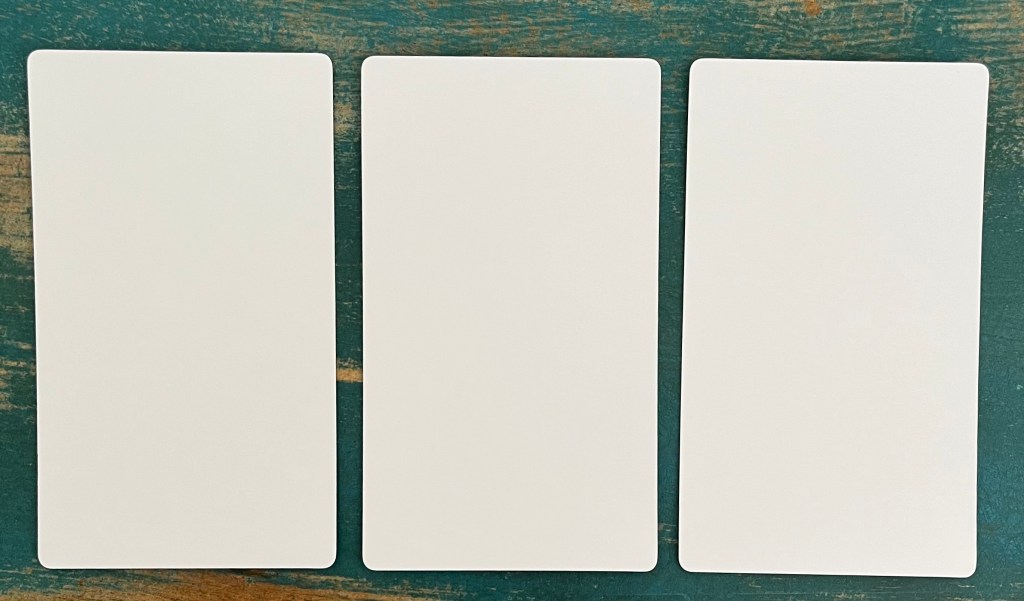
- You pull three cards (lay left to right), and each one stands for something like the past, present, and future, or gives you different angles like what’s happening, the challenges you’re facing, and some advice.
- This spread gets you to really think about your situation, sharing some insights on how you’re feeling, plus wisdom from what you’ve been through and what might come next.
The Five Card Tarot Spread is a super popular layout in tarot readings that delves into a person’s situation and what’s going on around them. It’s an extension of the three card spread with two additional cards for further understanding.
The five card layout is an upside down U shape but can vary depending on the theme and question.
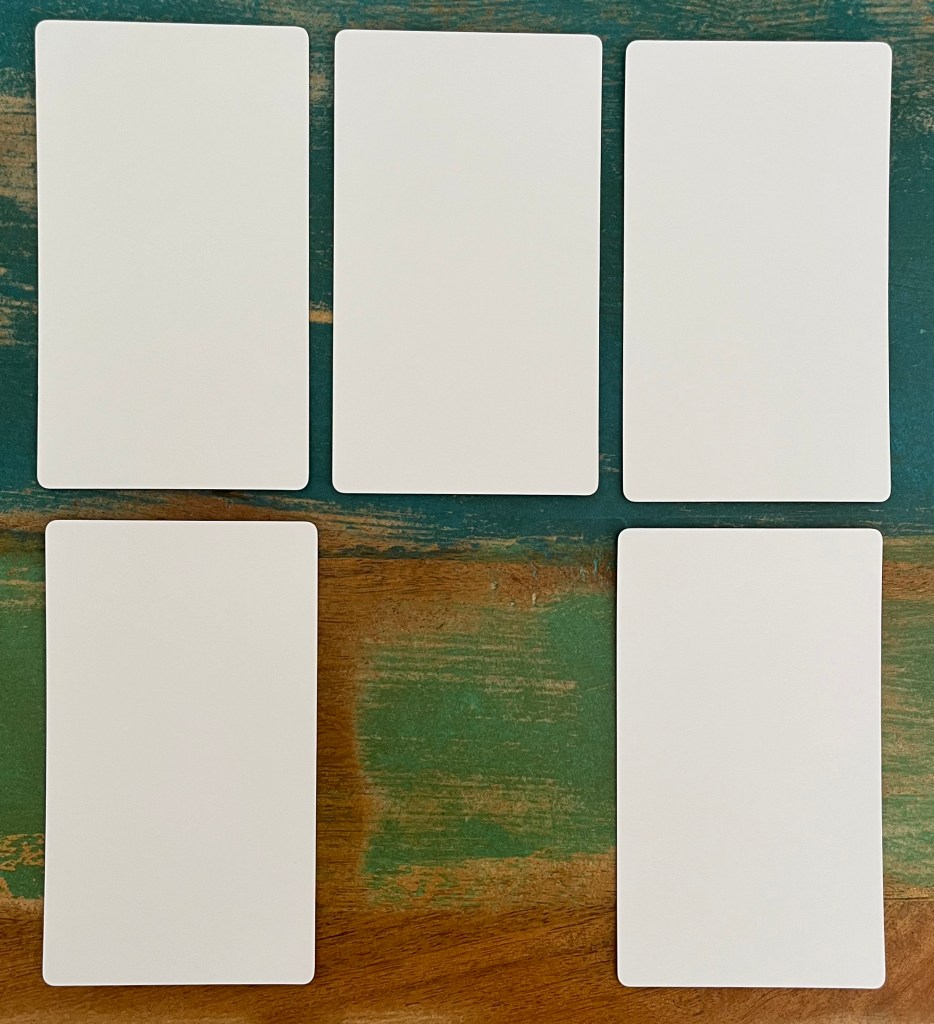
- The first card is the past (top right), 2nd card is the present (middle), 3rd card is the future (top right), and 4th and 5th cards (bottom left and right) is what’s happening inside or outside. In other words internal and external influences.
- This layout really helps give solid insights and lets the seeker get a better grip on their life story.
- The way the cards are positioned and how they’re facing can totally change their meaning, uncovering deeper connections that might not hit you right away.
- It’s a great method for creating an energy between the cards and the seeker.
The Seven Card Tarot Spread is super handy for grasping tarot readings since each card has its own spot and meaning, which helps you get a clear answer, whether it’s a yes, no, or maybe something else.
The layout of the cards is generally in a horseshoe, which not only enhances the visual appeal of the reading but also allows for a more holistic view of the situation at hand. This method is particularly useful for those looking to explore tricky issues or seeking clarity on difficult decisions, making it an invaluable tool for both novice and experienced tarot readers alike.
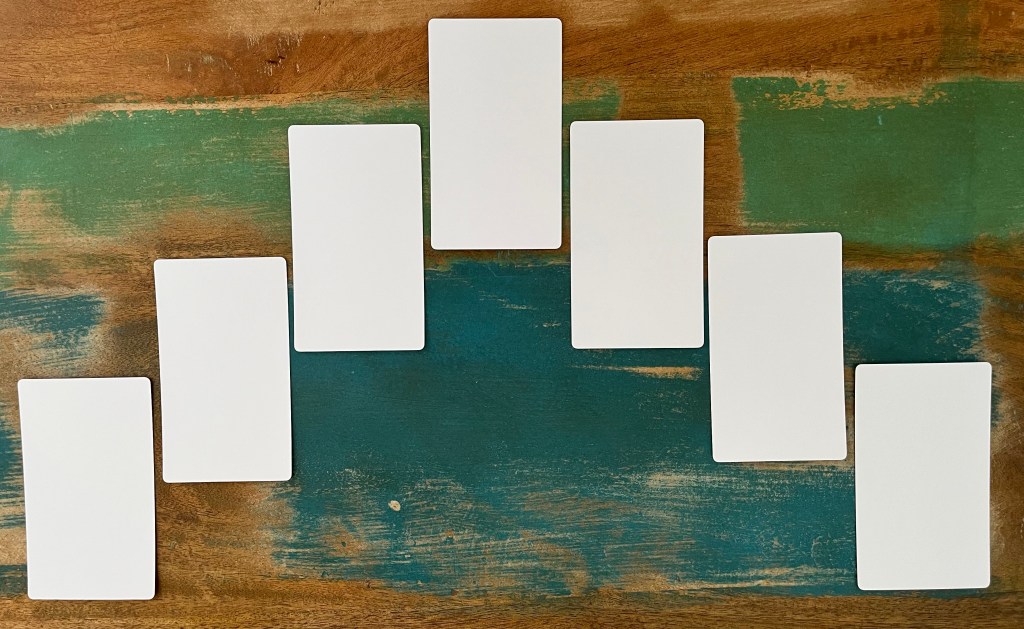
- The first card? That one’s all about the past, giving you some background on what’s going on now (lay far left and the other cards follow to form horseshoe).
- The 2nd card shines a light on the present situation.
- The 3rd card? It’s a peek into the future based on what you’re doing right now.
- The 4th card is what can you do? (middle card of horseshoe)
- The 5th card is the external influence.
- The 6th is your hopes and fears.
- The 7th card represents possible outcome (last card of horseshoe)
The Celtic Cross Tarot Spread is a more complex tarot method that uses ten cards to delve further into different aspects of someone’s life or situation and generally answers a specific question. It helps you understand how the past shapes the present and what the future might hold, giving you a comprehensive look at things, making the whole experience both enlightening and a bit mystical.
The central card gives you the lowdown on what’s happening right now, acting like a snapshot of the moment, while the cards around it point out various challenges, influences, and possible outcomes that could pop up from the current situation. Each card brings something different to the table, sparking deeper thoughts about what’s going on. The way the cards are laid out, with a cross and a pillar, symbolises both support and the intersection of different forces. This setup not only shows how complex life can be but also throws back to a really ancient world, where these kinds of methods were used to find wisdom and make sense of things during uncertain times. Working with this layout can really help you understand your journey better, mixing those old-school practices with a modern twist.
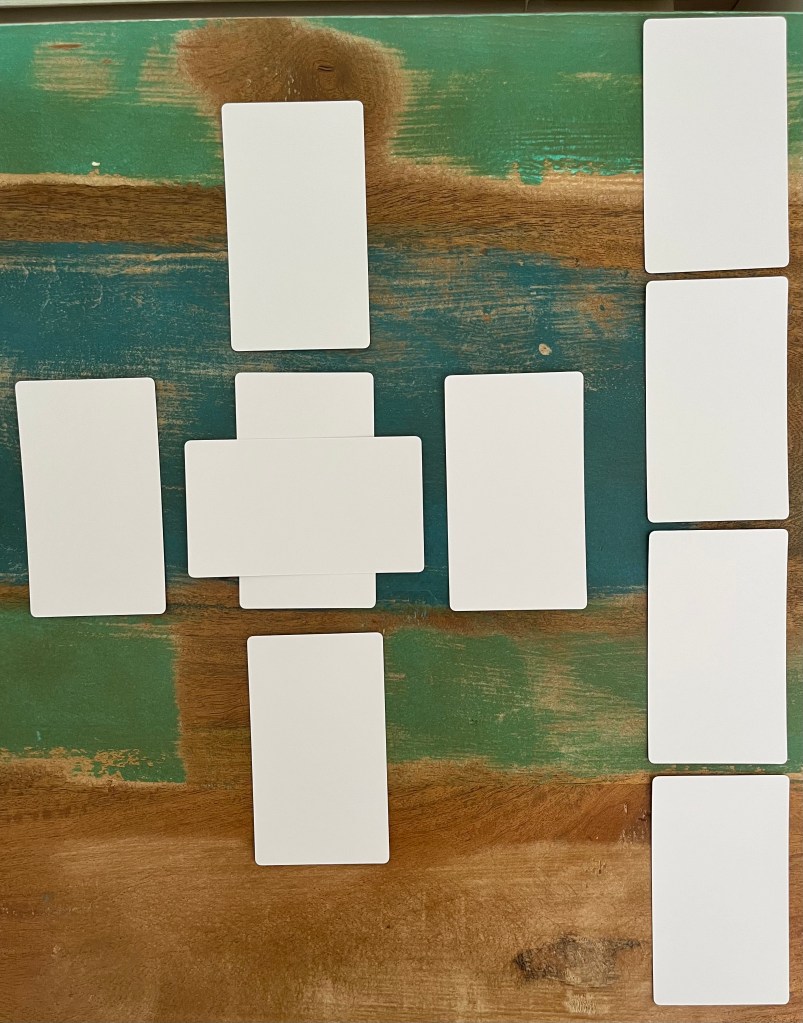
- The first card is the current situation, issue (lay in middle)
- The 2nd card crosses it, challenge or obstacle (forms cross).
- The 3rd card is what’s above, the goal (above cross).
- The 4th card is what’s below, recent past (below cross).
- The 5th card is the past (left of cross).
- The 6th card is the future influence (right of cross).
- The 7th card is the internal influences (bottom right starts pillar).
- The 8th card is the environmental influences (next up pillar)
- The 9th card is the hopes and fears (next up pillar).
- The 10th card is the outcome (top right of pillar).
There are tons of ways to do a tarot spread, which makes them super flexible when it comes to interpreting the cards. This means that whether you’re a beginner or a seasoned reader, you can easily tweak your approach depending on what question you’ve got or the energies in play. This kind of flexibility helps you delve deeper and really connect with what the querent is going through, making the whole reading experience way more meaningful. Plus, with so many different spreads out there—from the straightforward three-card spread to the more complex Celtic Cross—you’ve got a bunch of choices to make sure each reading fits the seeker’s needs perfectly.
 The Tarot Desk
Leave a comment