
Some people think alternate realities are just nonsense because what we call reality is based on our own experiences and what science has told us so far.
They argue that sticking to this viewpoint helps us make sense of the universe, while the idea of parallel worlds just muddles things up.
On the flip side, multiverse fans believe there are tons of possibilities out there that we can’t even begin to grasp, which totally rocks the boat for the idea of having just one reality.
Lewis Carroll, author of Alice in Wonderland once said “Imagination is the only weapon in the war against reality.”
Was he right?
As children, Lewis Carroll had us follow Alice down the rabbit hole to another realm, escaping into her new reality, which was another world filled with wonder, whimsical creatures, and enchanting landscapes.
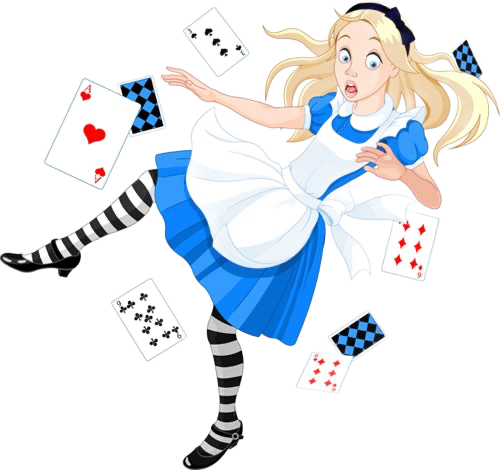
Every step we took with her felt like a leap into the unknown, as we encountered talking animals, curious characters, and perplexing challenges, all contributing to a rich tapestry of imagination.
This journey was not just a fleeting escape; it was an invitation to embrace the absurd, where the ordinary rules of logic no longer applied, and each twist and turn led us deeper into a fantastical adventure filled with the promise of excitement and the thrill of boundless possibility.
We’re not children now, and tales like Alice in Wonderland seem ancient to us, so let’s chat about some other alternate realities we experience every day often without realising it.

For example, a lot of people post this polished version of themselves on social media which can totally mess with how we see ourselves and what’s real. It might make us feel jealous or unhappy, especially when we’re comparing ourselves to those perfect pictures out there.
It’s like everyone’s living this online life that doesn’t really match up with their real one.
Isn’t that a parallel world, an altered reality?
You have to wonder how all this is going to impact future generations in a world where social media is such a huge part of daily life, changing how they expect things to be, and how they interact with others.
There are simpler alternate realities like dreams, meditation, books, films, and video games, which have clear beginnings and ends, unlike social media that mixes real and unreal, taking you on a journey of possibilities.
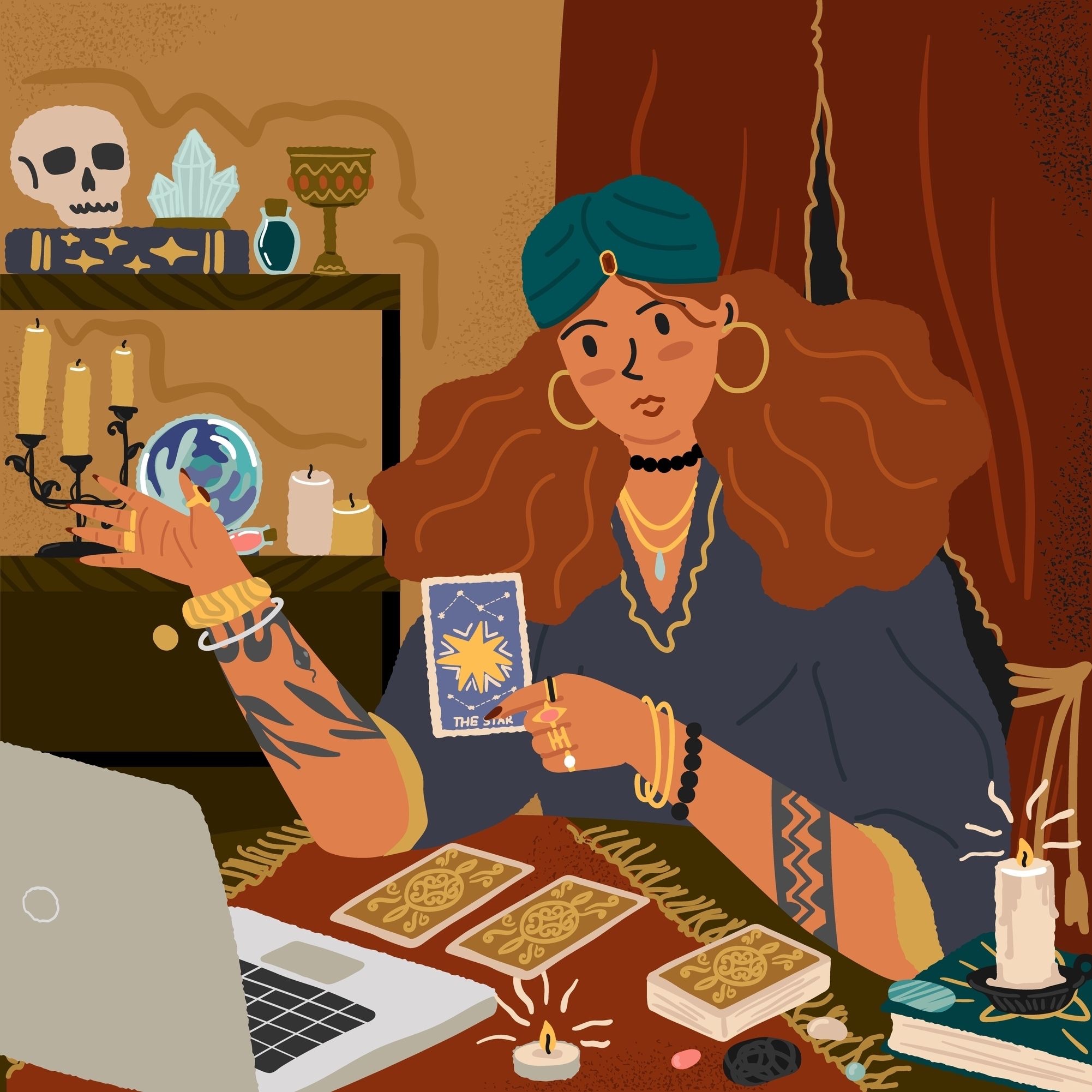
So, where does Tarot an ancient practice fit into this multiverse?
Well, Tarot’s rich symbolism and images serves as a tool for exploring beyond our current reality. It acts as a bridge to different possibilities, helping users to consider various outcomes.
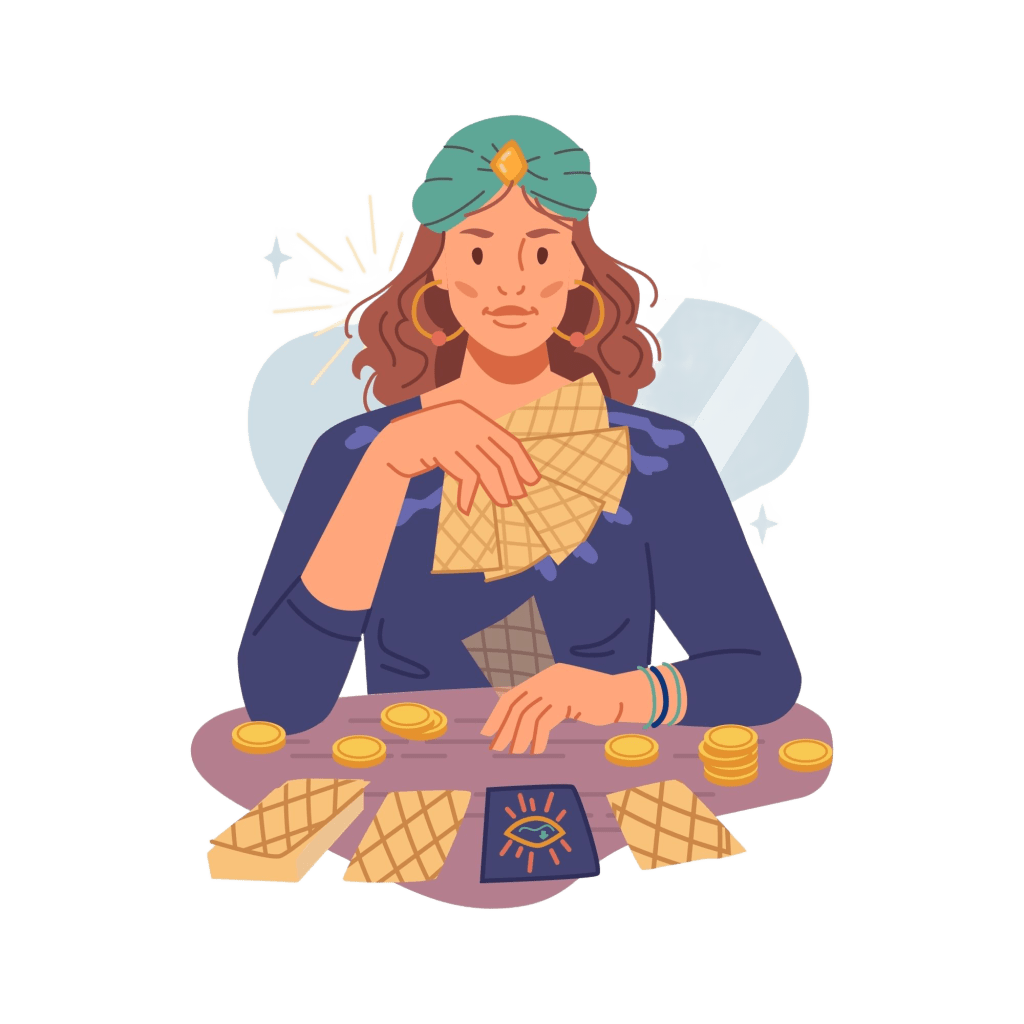
By reading the cards, people can gain insights that transcend linear time, tapping into the collective unconscious where all potential stories exist simultaneously, not unlike social media.
This intriguing link between Tarot and alternate realities encourages us to reflect on how our choices can open up different paths in a multidimensional universe, with each card revealing a part of the complex fabric of existence.
There are many possible alternate realities, but not all of them are realistic based on what we know. Each idea about an alternate reality encourages us to consider how different choices and events might shape our lives in unique ways.
For instance, think about timelines where important historical events happened differently, like in the Netflix series Outlander. Imagine the major changes that could affect today’s society, technology, and culture if history were altered, but let’s not go there right now.
Basically, alternate reality helps us understand ourselves and our relationships, showing how we search for meaning in a complicated world. Exploring these ideas sparks our imagination and encourages conversations about how these worlds reflect our values and beliefs.
While alternate realities can enhance creativity, we should also recognise the limits of our own reality and think about how practical these scenarios really are.
On the other hand, if we limit our imagination, we get stuck with what we already know, making it difficult to adjust in a changing world.
“Imagination is more important than knowledge. Knowledge is limited. Imagination encircles the world.” – Albert Einstein
I think Einstein has a point. Imagination helps us see beyond the usual and encourages us to think differently to find new solutions to problems.
That has to be a good thing, don’t you think?
So, the question is, are alternate realities simply different ways to think or choices made, or are they creations of our minds, shaped by our perceptions and desires? Does fate, with its set paths, connect with free will, giving us the chance to shape our lives?
The idea of alternate realities makes you think about consciousness and the human experience. I mean, every choice we make could affect countless other realms, changing our lives and those of others, possibly in another time and space.
Something to keep you up at night, right? All the possibilities and what-ifs.
 The Tarot Desk
Leave a comment