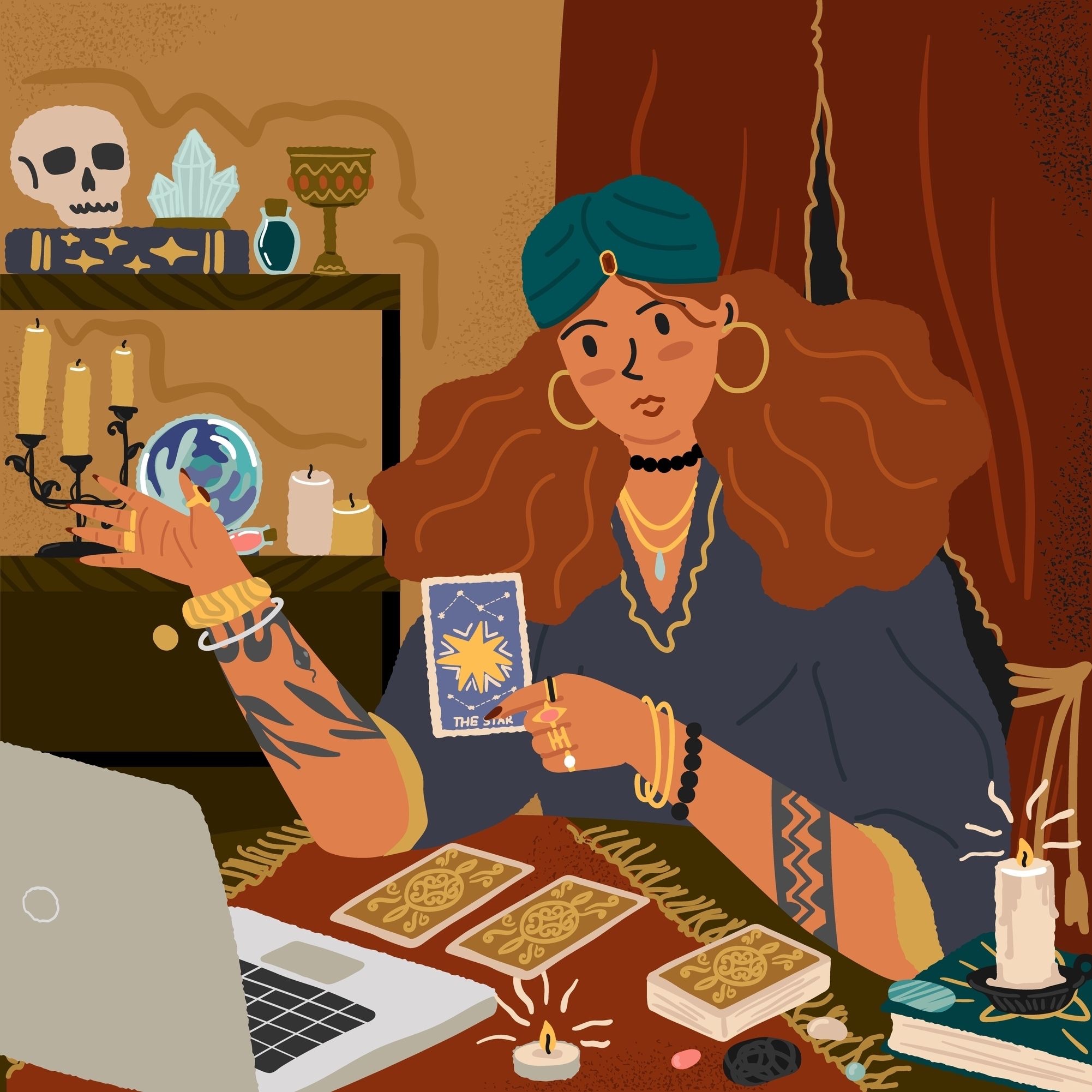

The witchcraft movement, often linked to feminist ideals, has built a community that values rituals and herbalism. Popular culture has also influenced modern views, with books and films depicting witches as strong and wise individuals who defy societal norms. This shift highlights the recognition of witches as complex characters who embody diverse beliefs and practices.
In the past, being called a witch was often frightening, as people feared their supposed powers and the myths surrounding them. Many communities, believing in the supernatural, looked at these individuals with suspicion and linked them to misfortunes and strange events.
Women who knew about herbal medicine or challenged societal norms were especially targeted, leading to fear and tragic events like witch hunts and trials. During those times, being labeled a witch meant living in danger, as many were persecuted just for being different or having knowledge that others did not understand.
In contemporary times, the view of witches has changed from historical stereotypes. While the past often portrayed witches as evil figures tied to dark magic, today they are seen more positively. Many view witches as symbols of empowerment, self-expression, and a connection to nature.
In a world that’s becoming more open-minded and curious about the mystical and the unknown, witches and tarot readers are often viewed as guides rather than just quirky figures in pointy hats and turbans.
Tarot readers have also been seen historically with a mix of respect and suspicion, being both wise guides and potential threats to societal norms.
In many cultures, they played important roles by helping people understand life’s uncertainties through card readings that provided insights into the future, relationships, and personal issues. Their skill in interpreting the symbols of tarot cards allowed them to connect deeply with clients, creating a sense of community.
However, even with their valued roles, tarot readers often faced stigma and persecution, especially in periods of superstition or strong religious beliefs, leading many to practice secretly while trying to balance spiritual guidance with societal acceptance.
However, society’s view of tarot readers has changed significantly in recent years. What was once seen as a stigmatised practice is now embraced by many people. Tarot is no longer just seen as mystical; it’s viewed as a way for self-reflection and personal growth.
This shift is driven by a rising interest in holistic wellness and spirituality, with tarot often used alongside practices like meditation and life coaching.
Social media has also played a part and created a supportive community for tarot readers, helping to share their experiences and make the practice more understandable.
Consequently, tarot reading is increasingly seen as a valid form of guidance, gaining acceptance in society for those looking for clarity in their lives.
More and more people are starting to appreciate the art of tarot reading as a powerful tool for self-reflection and insight, while witches are celebrated for their connection to nature and the empowerment they embody.
It’s fascinating to see how these once-misunderstood roles are now embraced in pop culture, with more people expressing their interest in spirituality, magic, and all that enchanted jazz.
Engaging with both paths offers many possibilities, combining the intuitive insights of tarot with the practical wisdom of witchcraft, helps us navigate our lives with a stronger sense of purpose and connection to the universe.
Today’s witch and tarot reader is seen as a modern practitioner of ancient arts, connecting past and present spiritual practices. They mix traditional rituals with modern beliefs to attract a wide audience looking for guidance.
As more people seek spirituality for personal growth, the role of the witch and tarot reader has become more relevant and accessible, appealing to those looking for clarity in today’s complex world.
So, are witches and tarot readers the same?
Both are linked to spirituality but serve different purposes. Witches use magic with spells and rituals that align with their beliefs and nature, employing natural energies, herbs, and crystals to make potions. Their aim is to discover hidden truths and bond with the natural world. Tarot readers seek understanding through tarot cards, which symbolise intuition to help clarify thoughts and feelings during difficult times.
Although both practices focus on spirituality, they differ in methods and objectives. By looking closely at these roles, we may see that we embody both as our spiritual journeys can lead us to explore different practices that resonate with our true selves, broadening our understanding of the metaphysical world.
We each have our own way of navigating life’s complexities, but sometimes it’s important to step out of our comfort zones and embrace the unknown. There are hidden paths and opportunities waiting to be discovered, where our instincts can lead us to unexpected adventures that enrich our journeys.
If you’re seeking some guidance and a better feel for the energy in your life, a witch or a tarot reader could really help you out.
A witch could share her knowledge about herbs and ancient rituals to show you how nature’s on your side, while a tarot reader could shuffle the cards and uncover some hidden forces going on with you.
Each one offers something unique; the witch might also conjure up some spells to get you closer to your goals, and the tarot reader could help clear up what’s really happening in your life.
Either way, both would definitely spice up your spiritual journey and help you make smarter choices, don’t you think?
 The Tarot Desk
Leave a comment